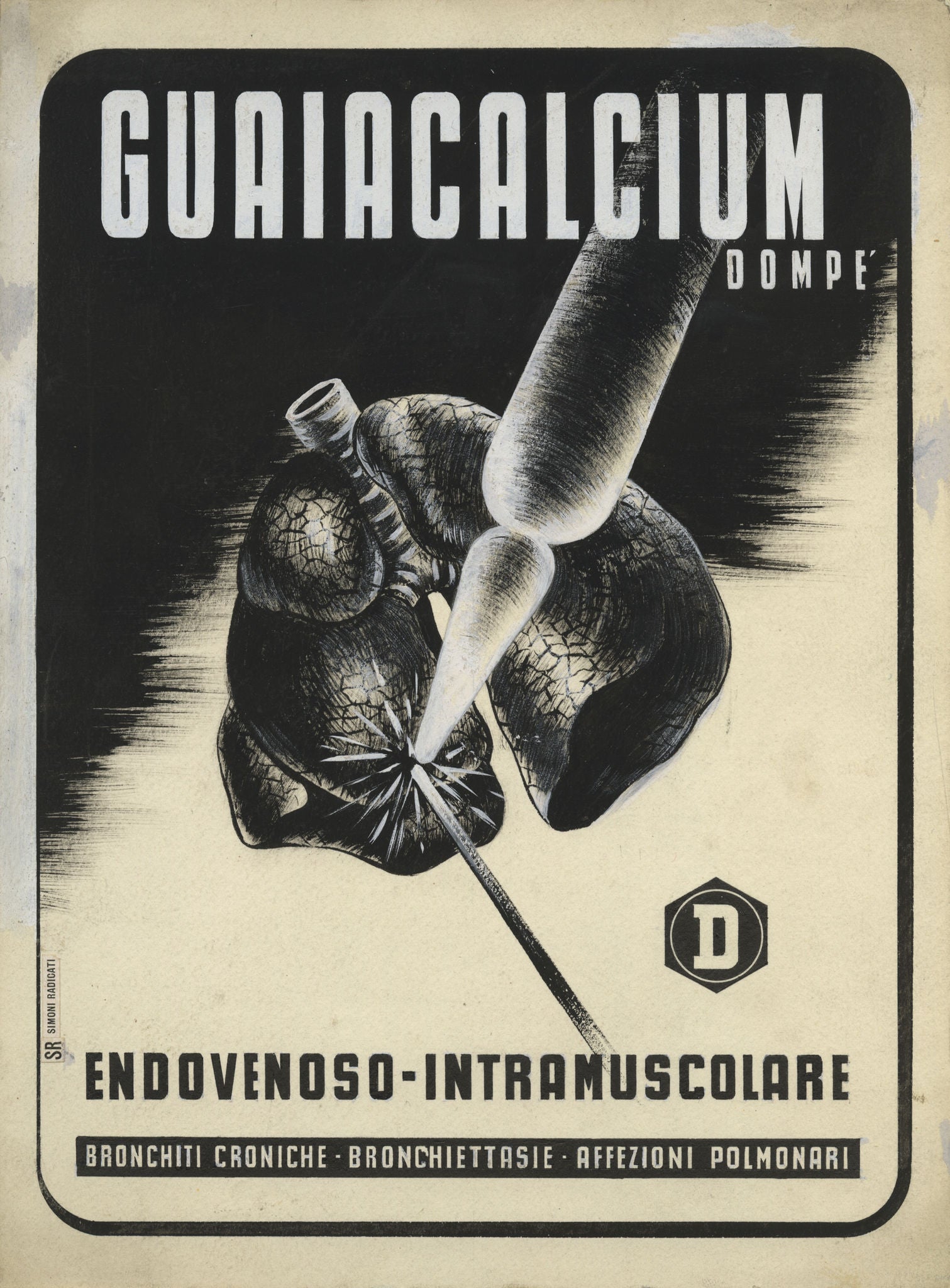
The innovation behind Guaiacalcium: the medicinal punch

Guaiacalcium embodies a synthesis of tradition and innovation in Dompé’s history. This successful product — a preparation of guaiacol and calcium intended for medical use — was developed as an evolution of Creosotina, the remedy for chest illnesses conceived in the late 19th century by his father, Onorato Dompé. The new cough formula, for which Franco Dompé registered the trademark in 1942, marked a significant step forward.

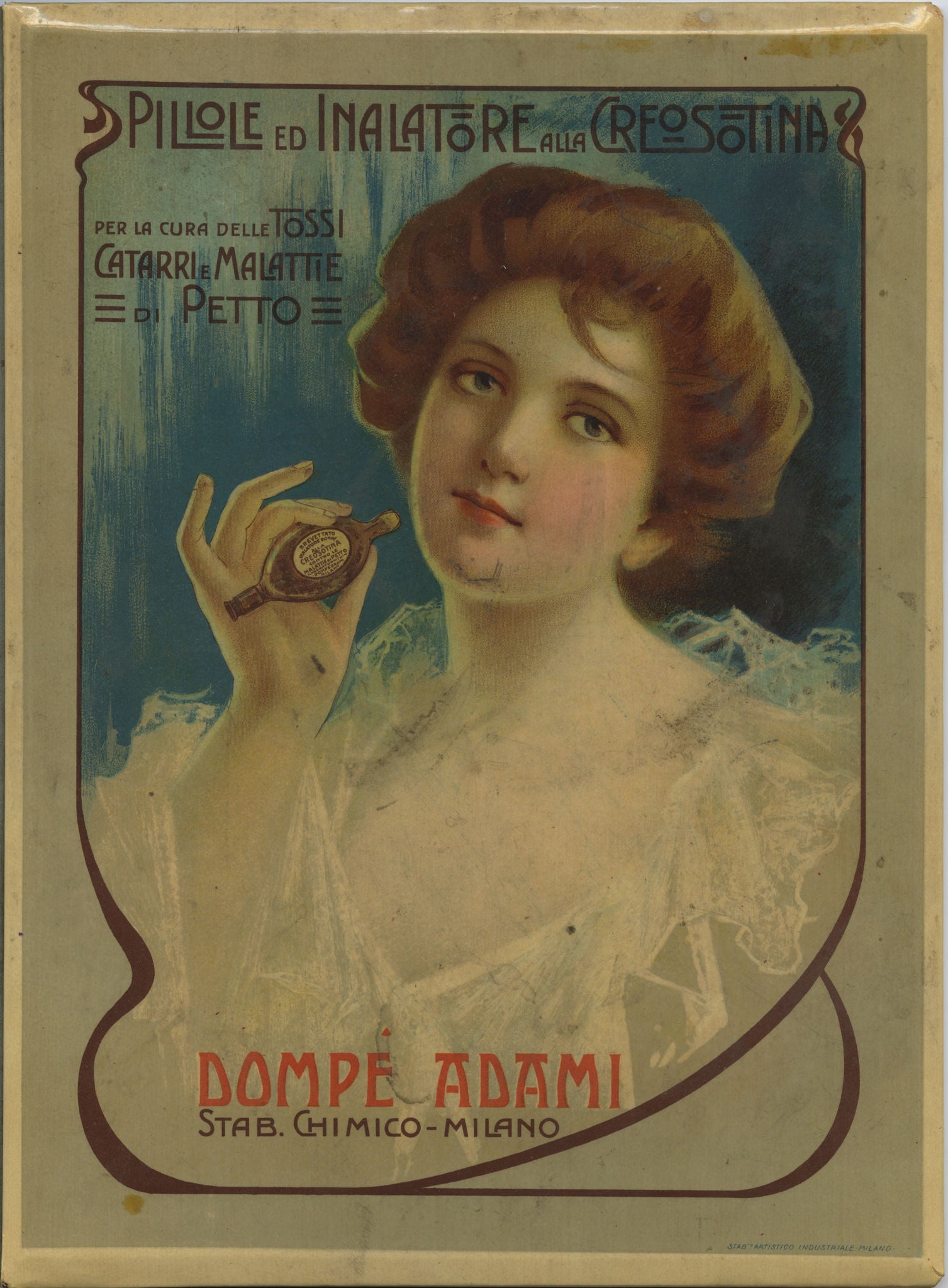
The advertisement for “Creosotina” pills and inhaler, recommended “for the treatment of coughs, catarrh and chest ailments”, appears on the cover of a document folder, reflecting the pharmaceutical communication and promotion strategies of the early 20th century.

From syrup to medicinal punch

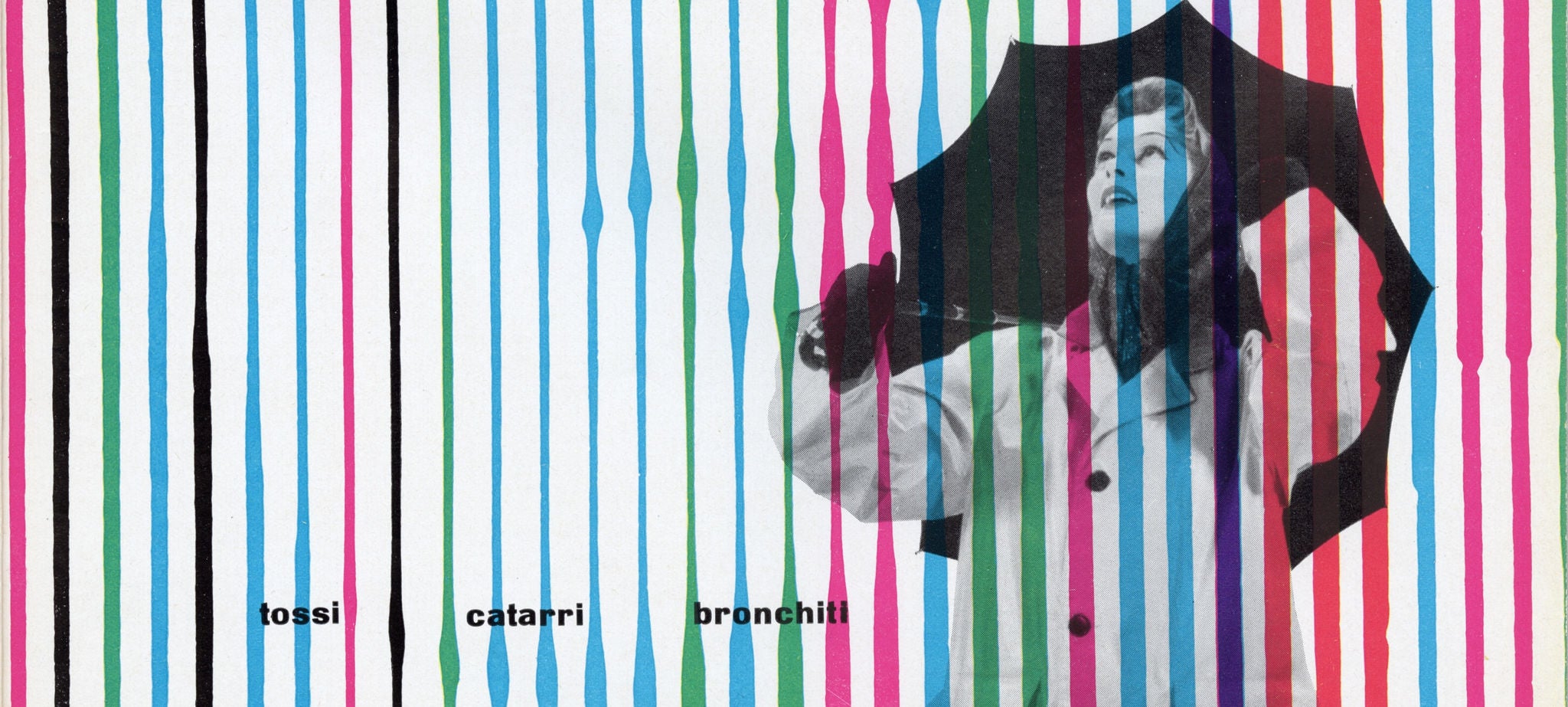
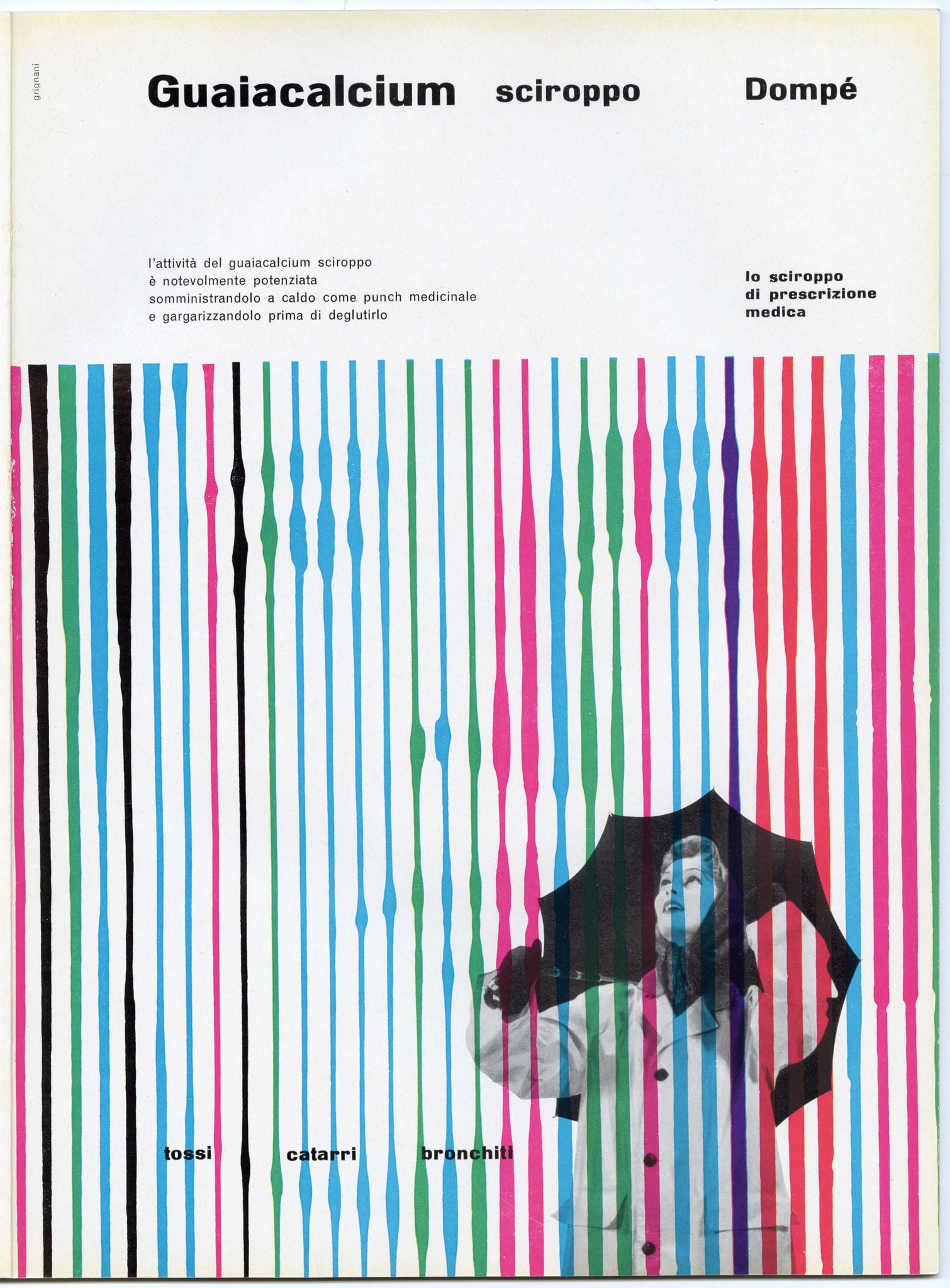
Syrup, advertisement by Franco Grignani, (Bellezza d’Italia, no. 5, 1954)

Promoted from 1947 as a “modern prescription syrup”, Guaiacalcium was presented as an innovation in oral thermotherapy. Its effectiveness was enhanced when taken warm, allowing consumers to choose whether to take it with lemon zest or dilute it in hot water, milk, tea or coffee. The advertising campaign for Guaiacalcium Syrup stands out for its innovative use of color and shapes: a pattern of bright vertical stripes runs across the whole page, overlapping a black and white photograph of a woman with an umbrella. The dynamic effect thus created blends graphic abstraction with the functional message of protection against seasonal ailments.
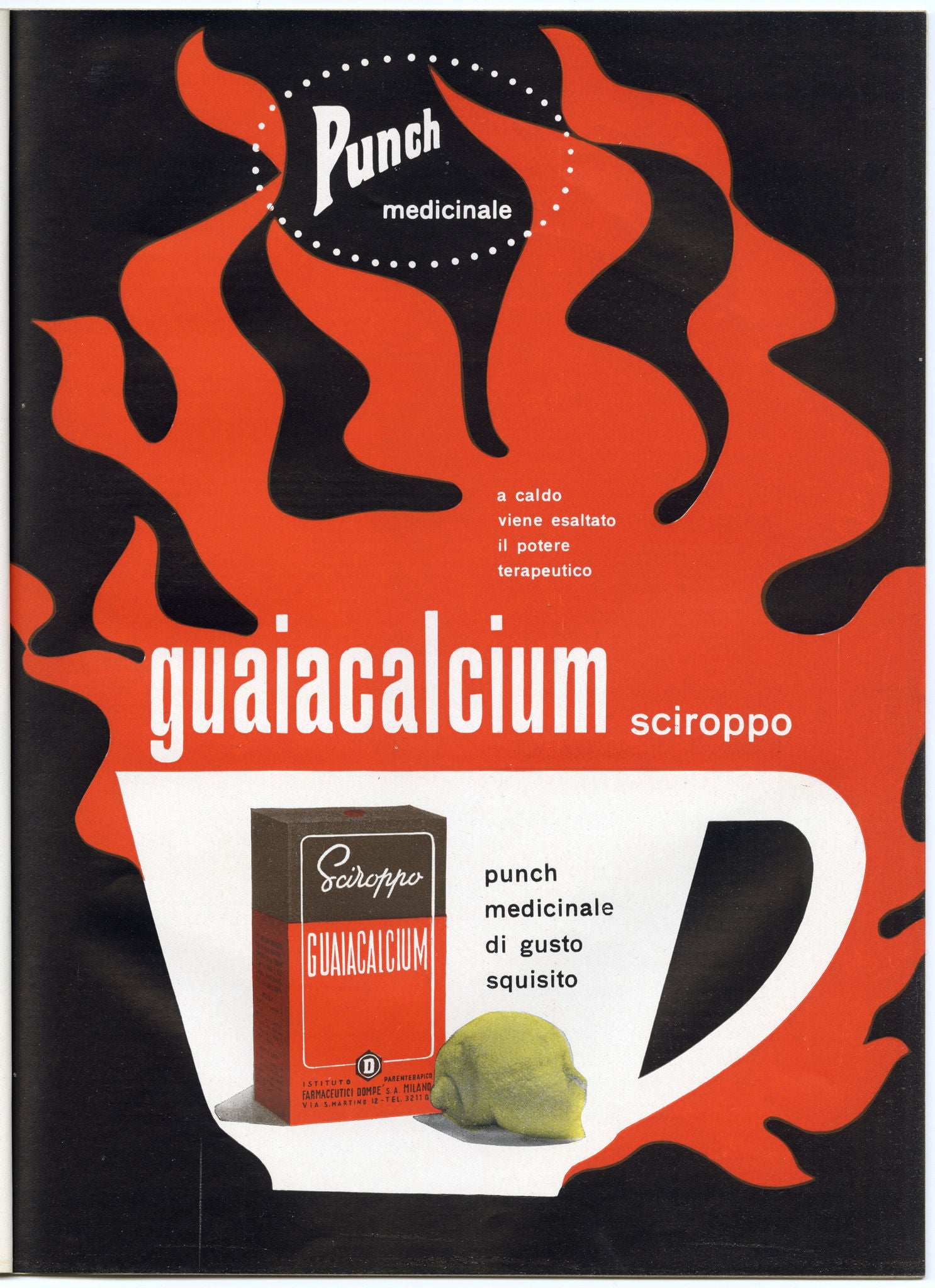
Guaiacalcium Syrup, “punch medicinale di gusto squisito”, advertisement (Bellezza d’Italia, no. 1-2, 1949)

Franco’s idea of advertising the syrup as a “pleasant-tasting medicinal punch” transformed the treatment into an almost pleasurable ritual. The communication highlights the innovative hot method of administration, which enhances the product’s sedative and anticatarrhal properties. The presence of lemon helps evoke a pleasant experience, reinforcing the idea of an effective yet enjoyable remedy.

From the pages of Bellezza d’Italia to the Cimento Invernale

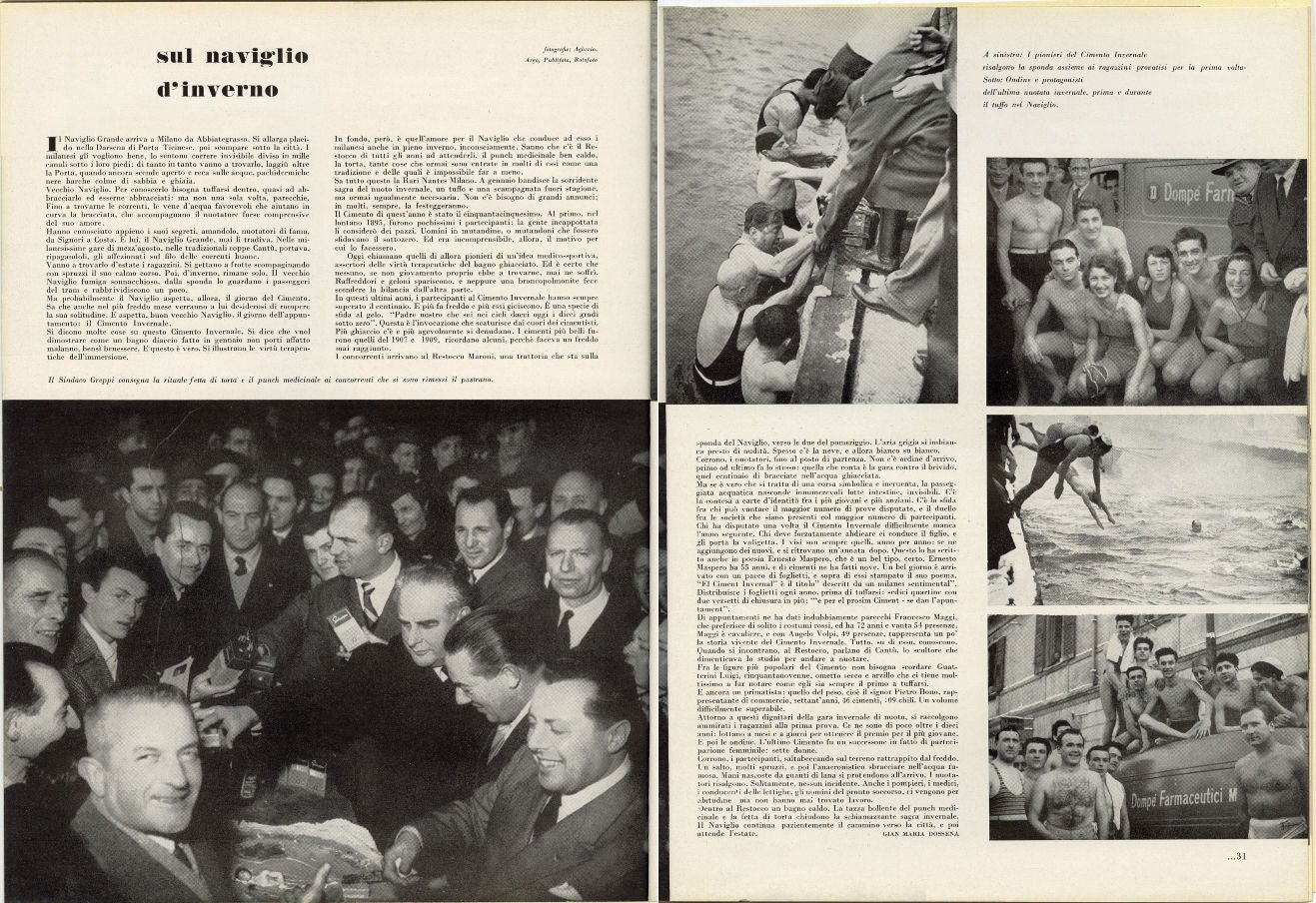
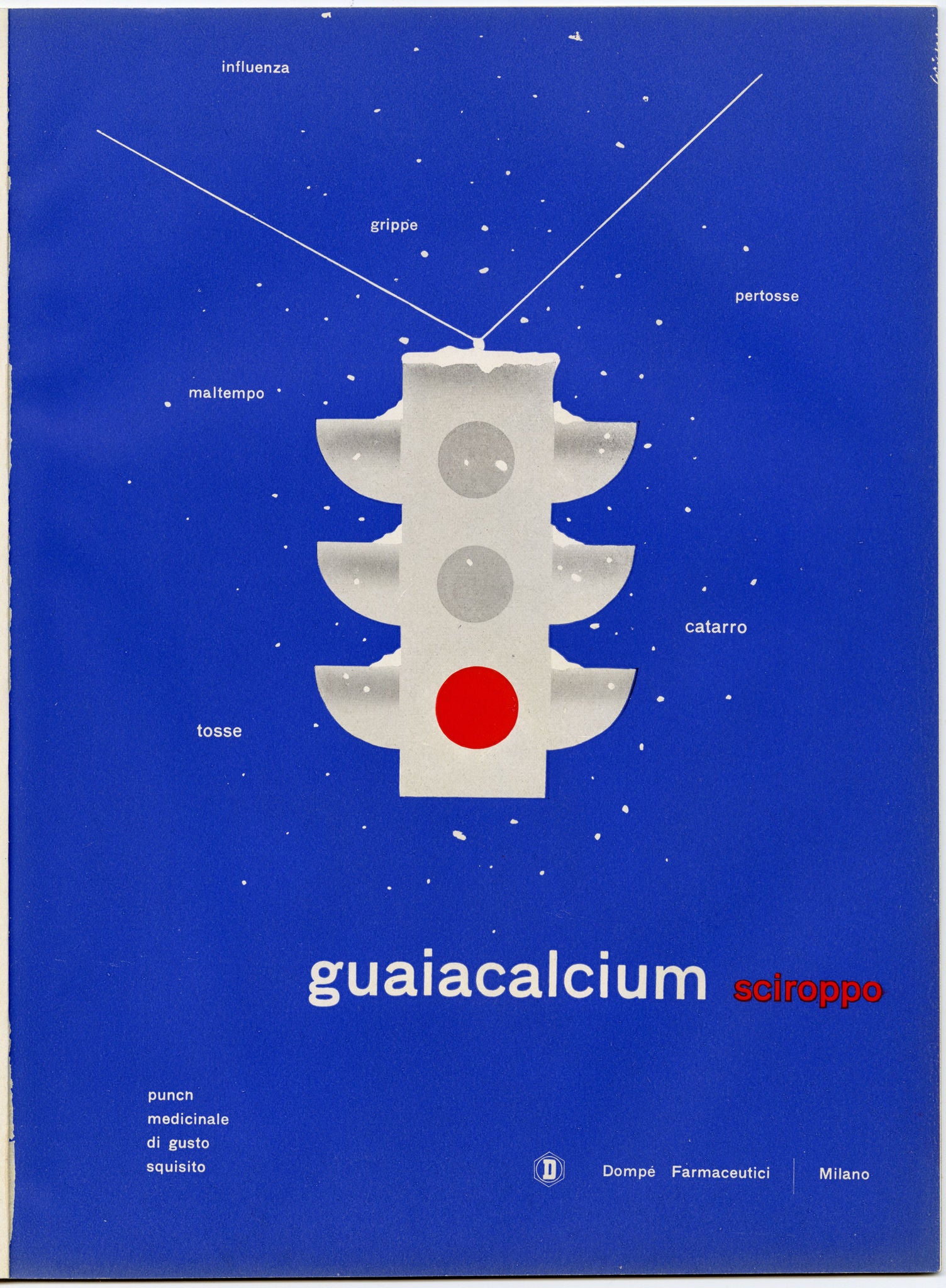
This message was conveyed through high-impact initiatives: from advertising campaigns in Bellezza d’Italia to its presence at the Milan Trade Fair, as well as the sponsorship, in 1949, of the 55th edition of the Cimento Invernale — the traditional event in which participants tested their endurance by diving into the icy waters of the Naviglio Grande. On that occasion — one of Franco Dompé's notable initiatives aimed at promoting the company through sport — a Dompé-branded van welcomed participants with steaming doses of Guaiacalcium. Some members of the Dompé staff actively participated in the challenge in the icy waters of the Naviglio canal, probably led by Franco himself, who at the time combined his management duties with an intense sporting activity.

Also available in vials

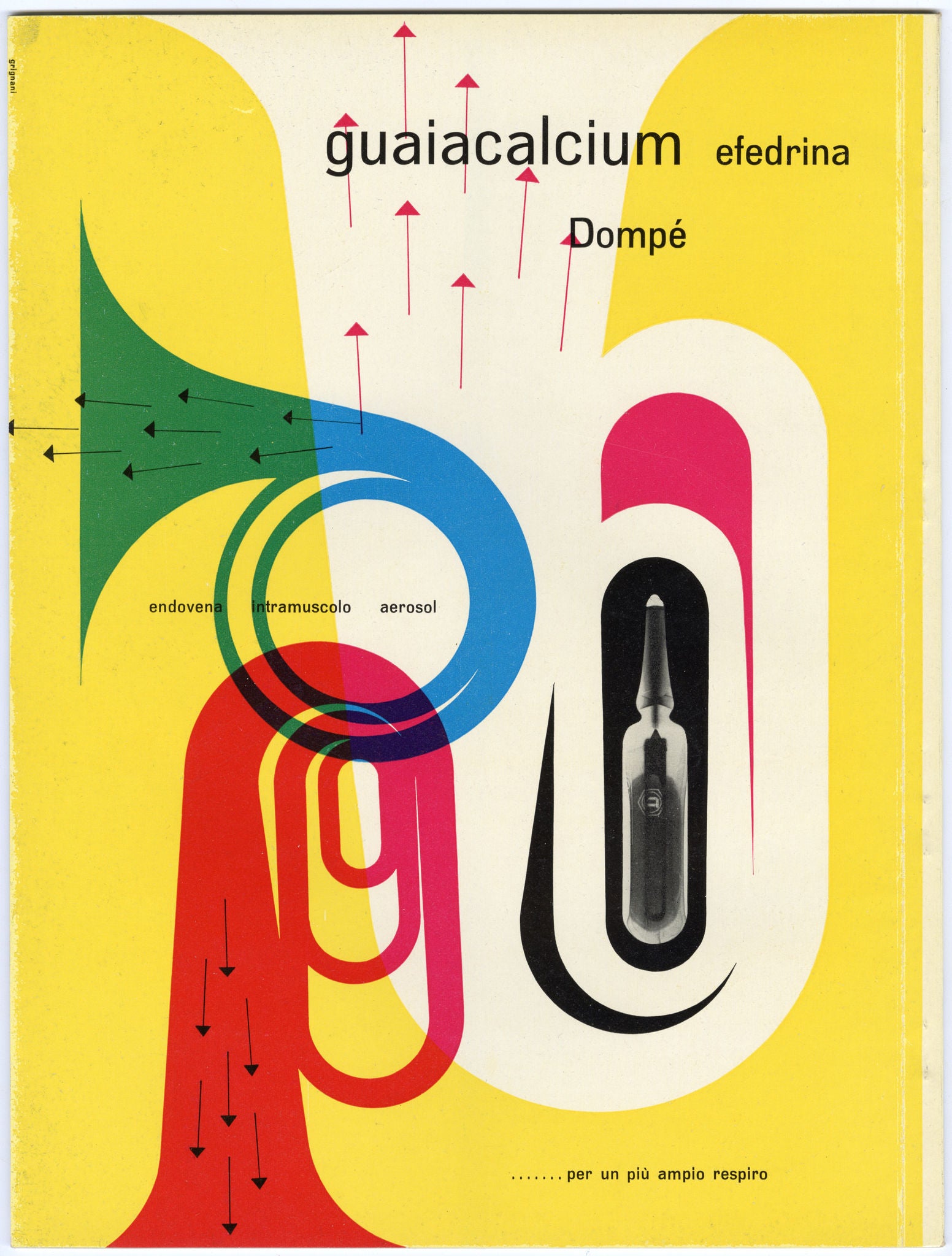
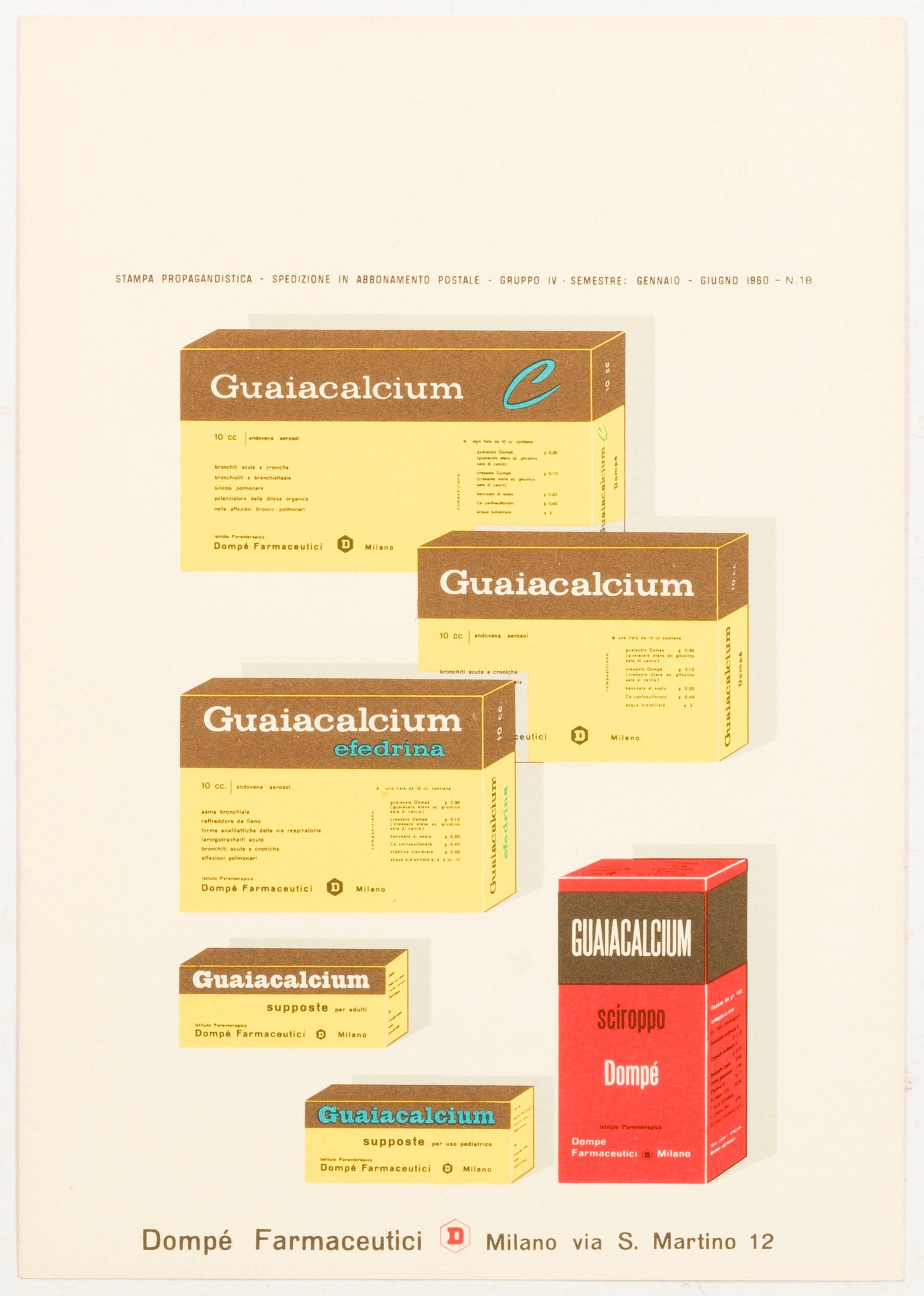
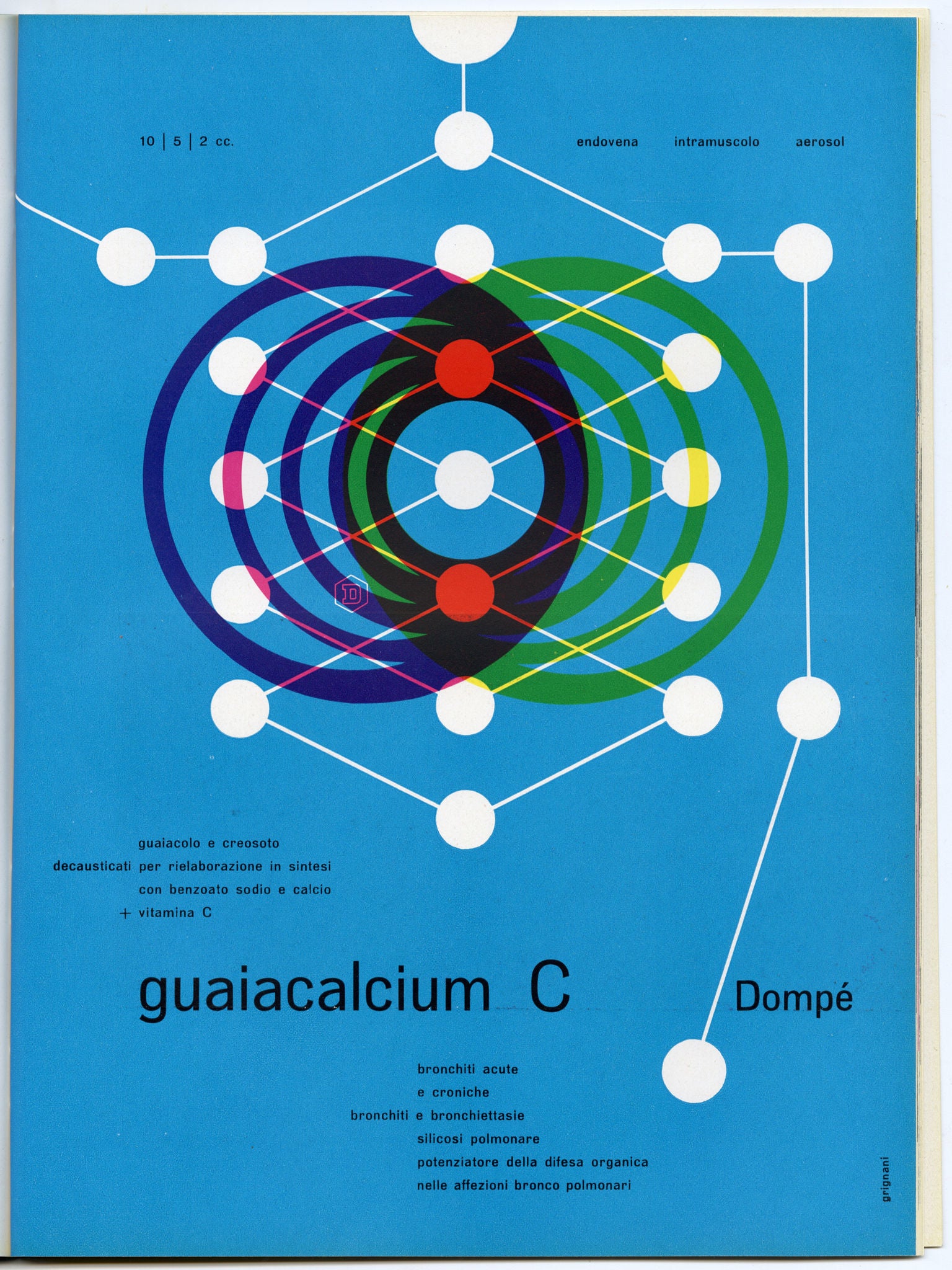
This communication strategy, which established the product as Dompé’s first widely distributed product, developed alongside rigorous industrial innovation. In the 1950s, the company specialized in the production and packaging of medicines in vials, and Franco developed his preparation into various other forms to meet increasingly diverse therapeutic needs.

On the big screen

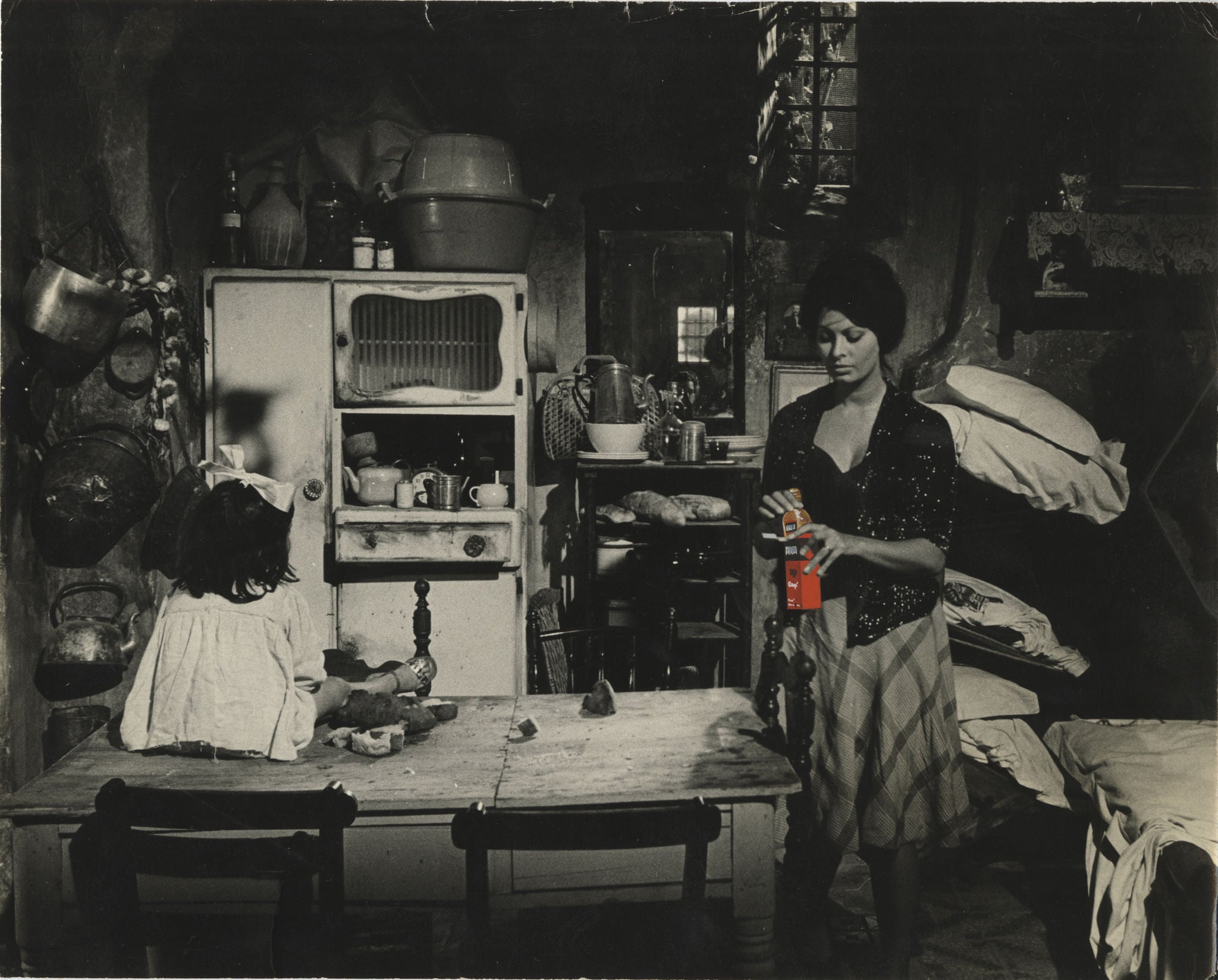
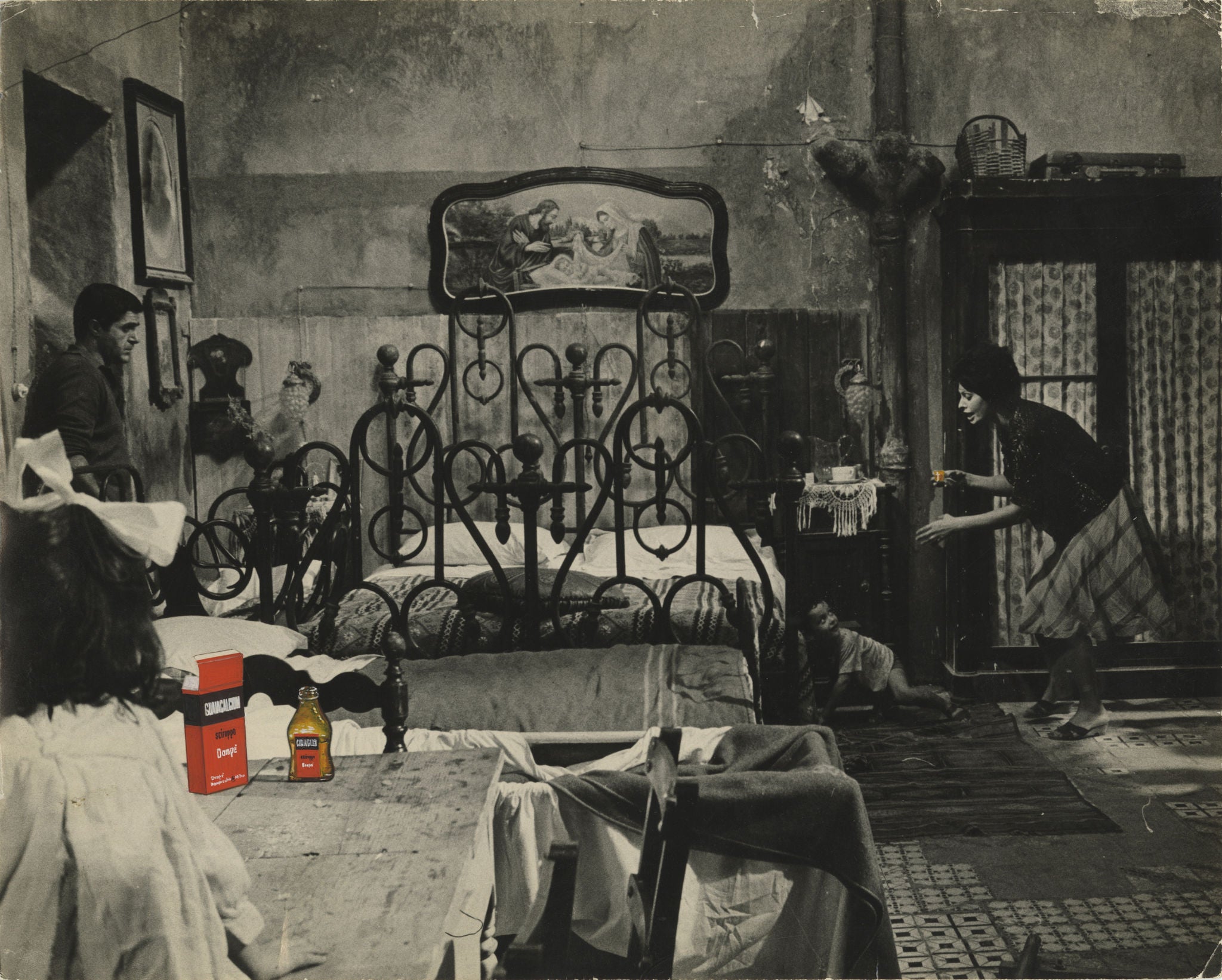
A scene from the film Yesterday, Today and Tomorrow by Vittorio De Sica (1963)

Guaiacalcium entered the collective imagination in 1963, when it appeared in the Oscar-winning film, Yesterday, Today and Tomorrow, directed by Vittorio De Sica.

In a famous scene, Sophia Loren attempts to give a spoonful of Guaiacalcium Syrup to one of her children — an image that illustrates how deeply the product had become embedded in everyday Italian life and documents the presence of the Dompé product in the popular culture of the period.