Our Roots

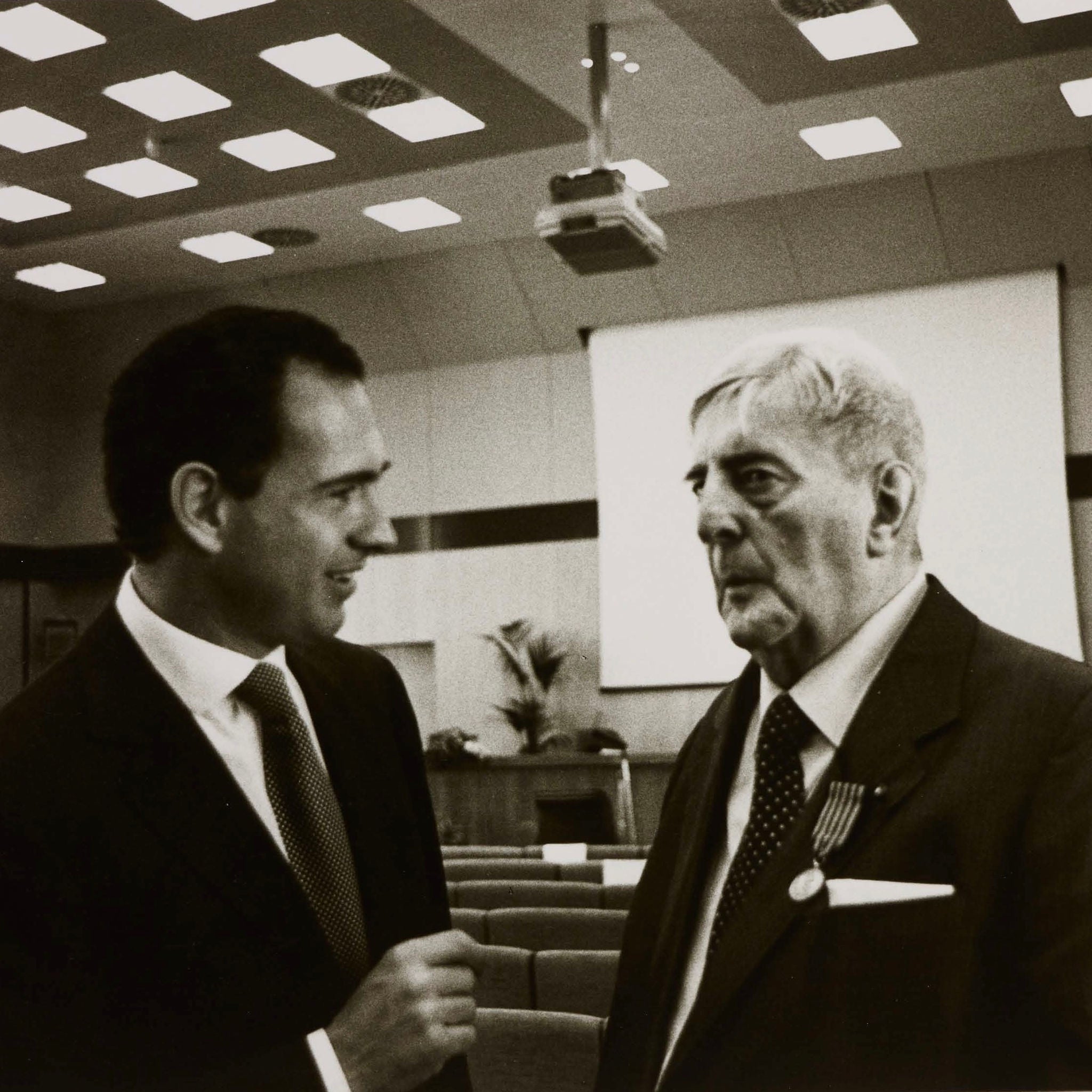
By examining our Archive’s documents we’ve discovered that the narrative of Dompé farmaceutici’s roots was researched and written by its founder, my father Franco, during the 1960s. Were it not for his tireless dedication to preserving our family’s entrepreneurial story, those origins may have remained a mystery to us.
Sergio Dompé, President Dompé Foundation

Discover the Journey that Shaped Dompé

The story begins with Gian Antonio Dompé, born in 1843 in Piedmont, who develops a strong interest in chemical and pharmaceutical sciences. His son, Onorato Dompé, follows in his footsteps and, after his university studies, moves to Milan where he establishes Dompé-Adami, a production lab that introduces innovative techniques of the British school. In the early 1950s, his son Franco Dompé goes one step further: he commissions the development of cutting-edge machinery to produce medicines in vials. This allows the production of drugs on an industrial scale. In the 1970s, Franco’s son, Sergio Dompé, joins the company and designs a new path: Dompé farmaceutici's shift to biotech.

1840 - 1890

Pioneering pharmacy: the Dompé family’s academic and industrial roots

The Dompé family's first steps in the pharmaceutical sector date back to Gian Antonio (1843 –1917). 

Originally from Bene Vagienna, in the province of Cuneo, he was passionate about chemical and pharmaceutical sciences and studied herbal medicine and botany in depth by reading books in Latin and German. 

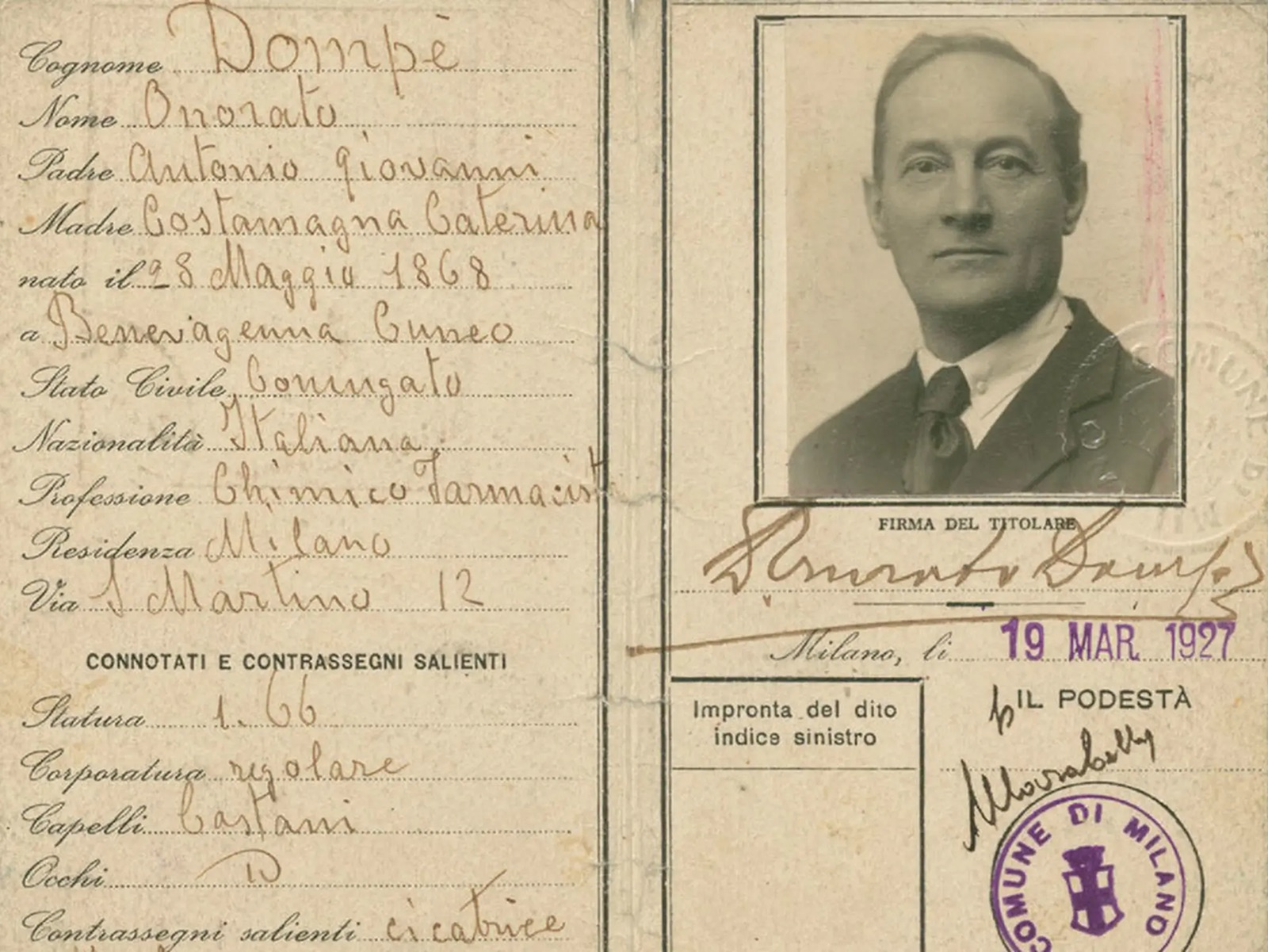
His son Onorato (1868 –1960) followed in his footsteps, graduating with degrees in Chemistry and Pharmacy from the Royal University of Turin.

After moving to Milan in 1890, Onorato founded the Dompé-Adami laboratory with his partner, opening the premises at number 10 Corso San Celso (now Corso Italia). He equipped the laboratory with modern machinery for the production of medicines, adopting the principles of the British pharmacopoeia, which was considered the most innovative at the time. The business quickly distinguished itself for the production of specialities such as Creosotina, a remedy for respiratory disorders.
1895

At the heart of Milan: the acquisition of the Farmacia Centrale

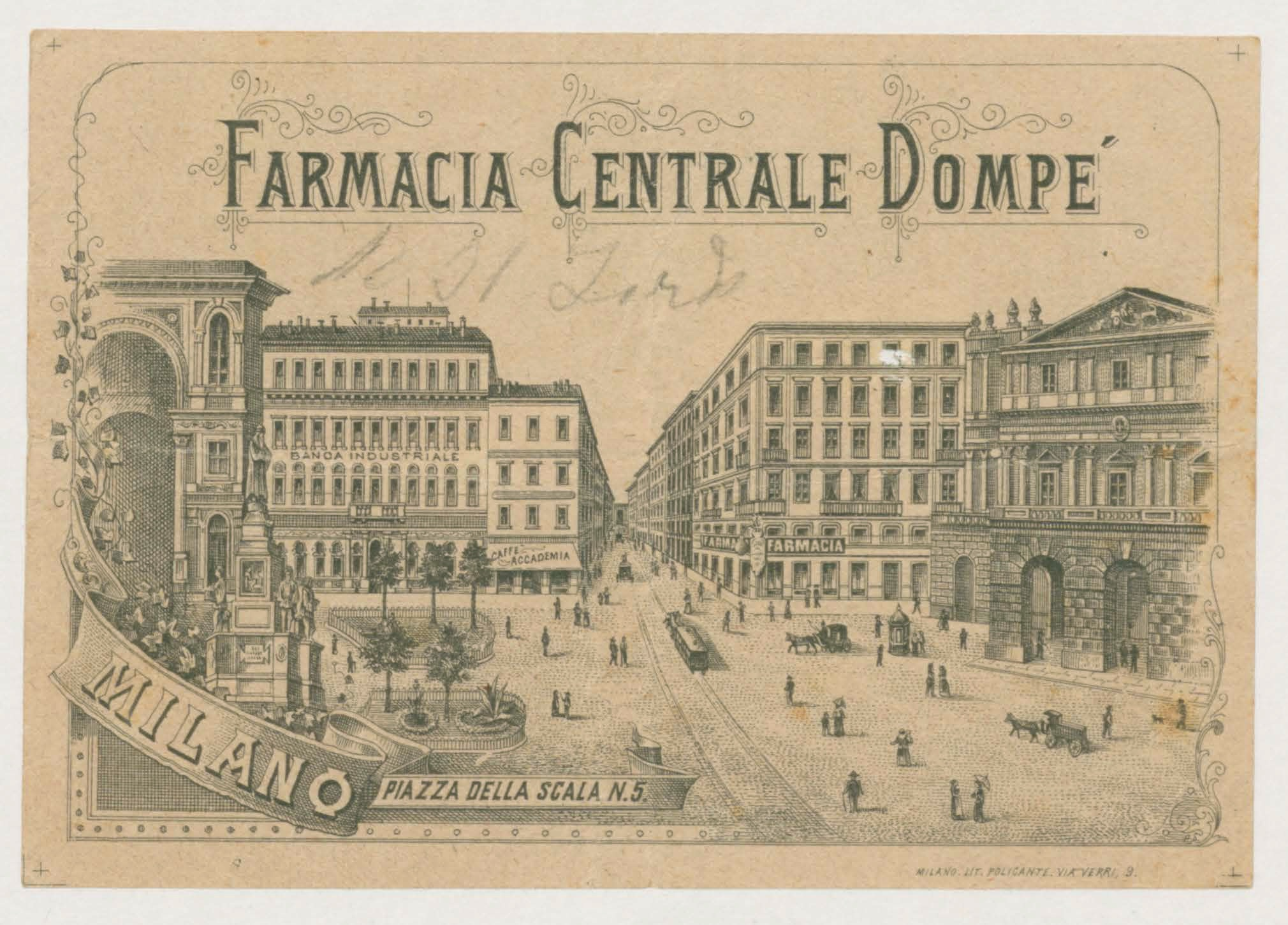
On the strength of the success of the Dompé-Adami laboratory, Onorato decided to complement the production of medicines with distribution by purchasing the Farmacia Centrale Dompé, one of the most prestigious pharmacies in the city, located at number 5 Piazza della Scala, just a stone's throw from the La Scala Theatre. This pharmacy, which descended directly from an apothecary's shop that had been in business since 1625, became the base for the distribution of many international products and the best showcase for Dompé-Adami medicines. 

His father, Gian Antonio, joined him in Milan, assisting with the management of the pharmacy and thereby allowing Onorato to focus on his research in the laboratory. Throughout those years, Gian Antonio established relationships with the Milanese upper class, and the pharmacy became a destination for leading figures in the music world of the time: composers and opera singers relied on Onorato's remedies to soothe their voices or relieve their coughs.

1902 - 1908

Onorato Dompé founds the Farmacie Inglesi Dompé chain

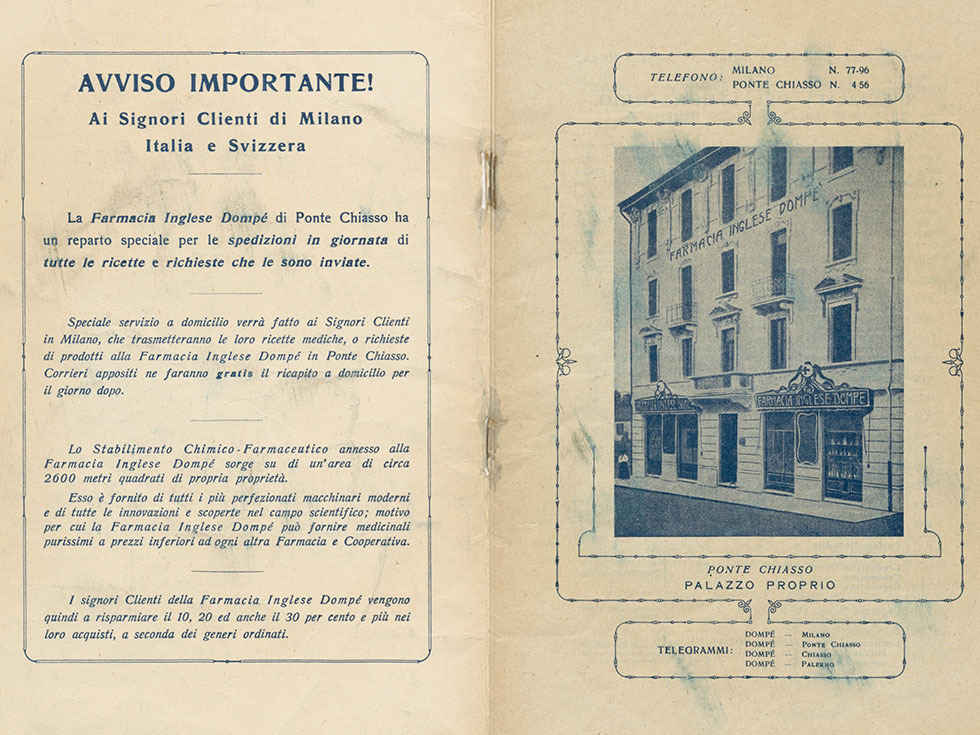
Onorato Dompé expanded his business with the acquisition of four new pharmacies, creating the Farmacie Inglesi Dompé chain: the pharmacy at number 23 Piazza Bologni in Palermo, operating from 1902 to 1910; the pharmacy in Ponte Chiasso, near Como, opened to serve cross-border commuters from 1907 to 1921; the Farmacia Inglese at number 31 Via Carlo Alberto in Milan, managed from 1908 to 1922; and, last but not least, the pharmacy at number 10 Corso San Celso, also in Milan, about which only limited information is available.

1924

Beyond the counter: expanding the pharmaceutical vision

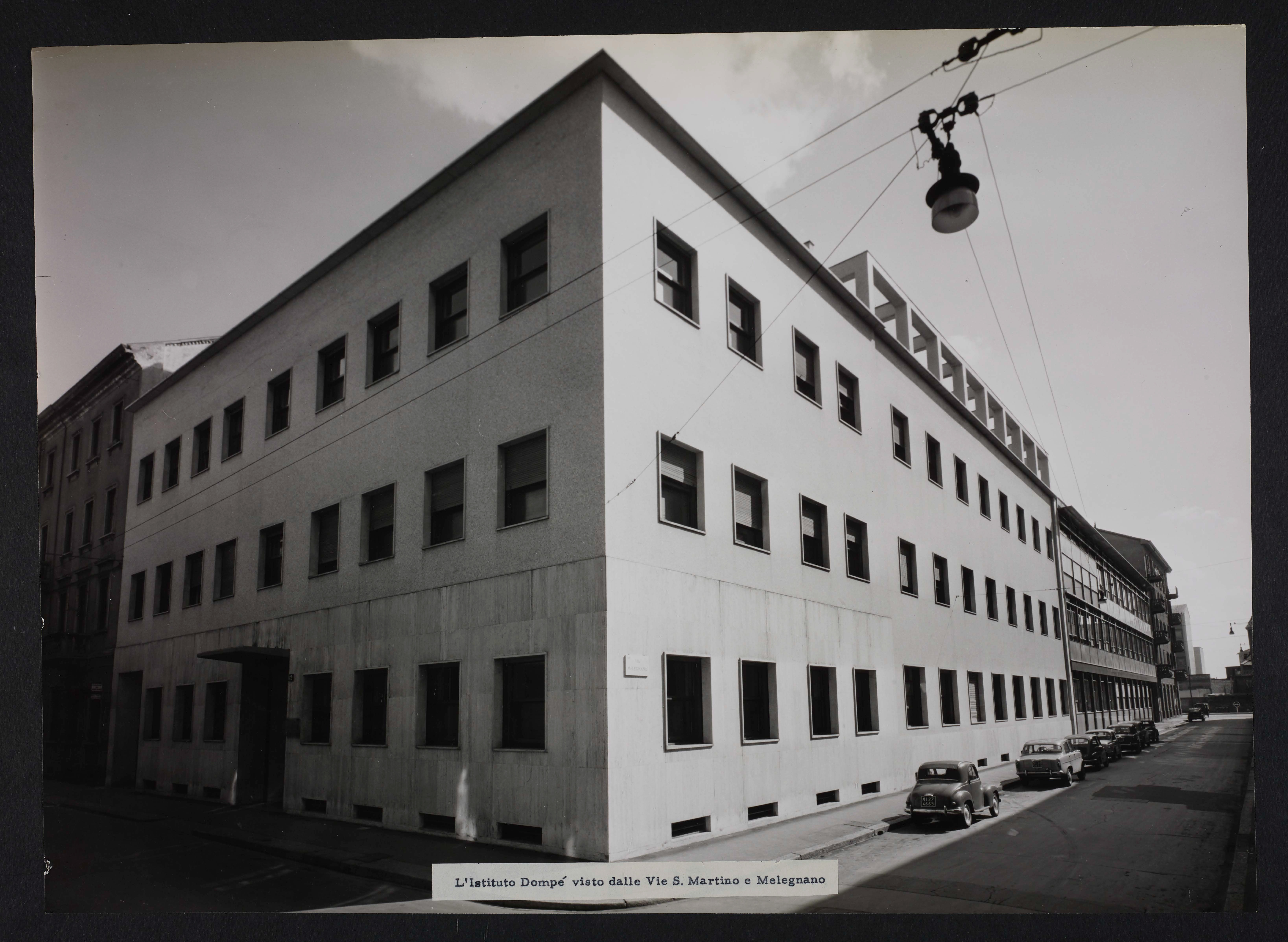
Onorato Dompé sold his pharmacies to devote himself exclusively to production. He moved his laboratory to larger premises at number 12 Via San Martino in Milan and introduced important innovations in laboratory equipment. He also made his home in the building, moving there with his wife Luigia and their children, Franco and Flora.

1940

Franco Dompé, Onorato’s son, continues the family legacy

Franco (1911–2002) also followed in the footsteps of his father, Onorato. He graduated with degrees in Chemistry and Pharmacy from the University of Pavia, where the future 1963 Nobel Prize winner in Chemistry, Giulio Natta, was one of his professors.  

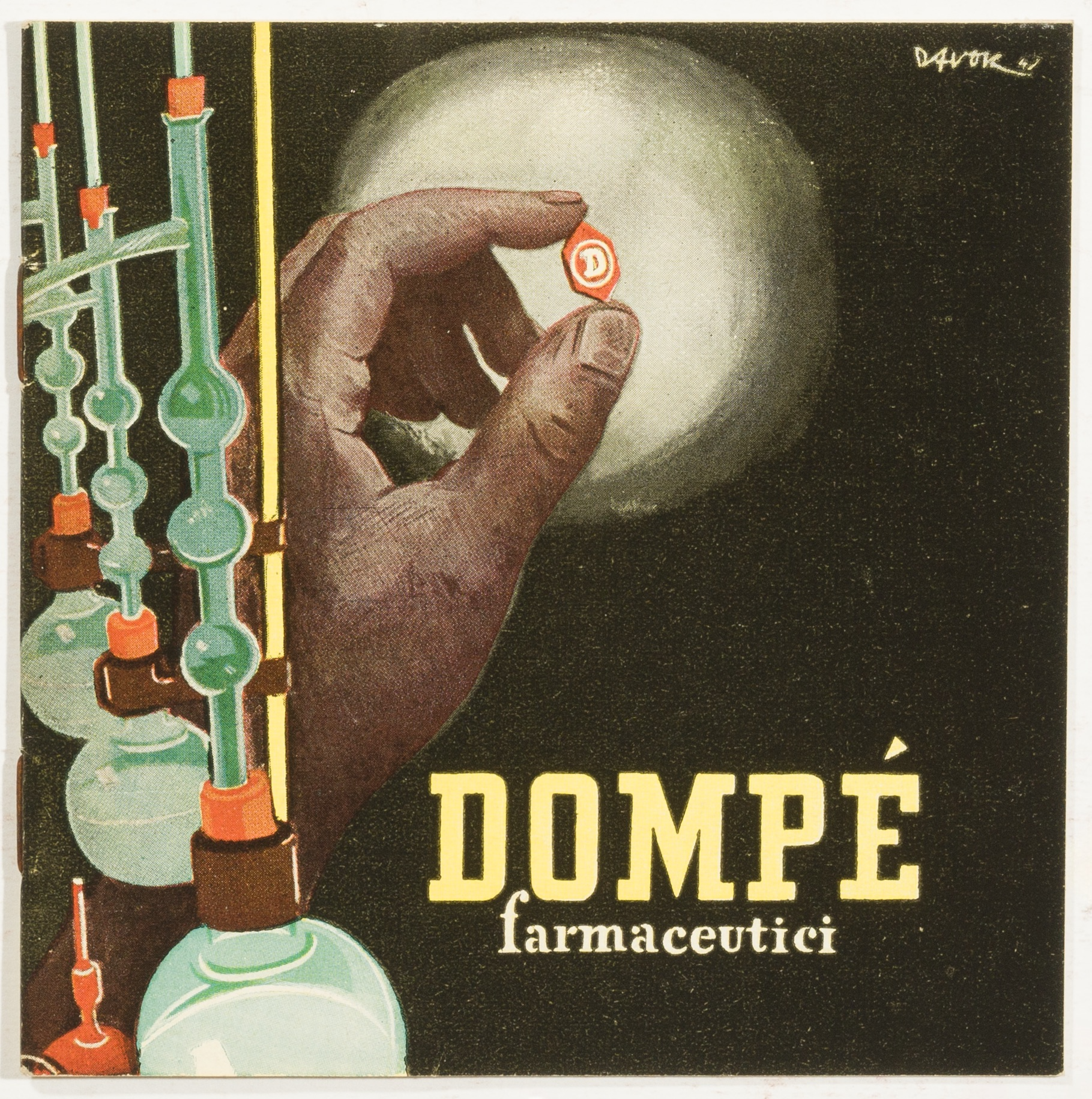
Three years later, in 1940, he founded an independent laboratory at number 9 Via Bocconi in Milan. With an initial capital of 10,000 lire, Dompé farmaceutici was born. 

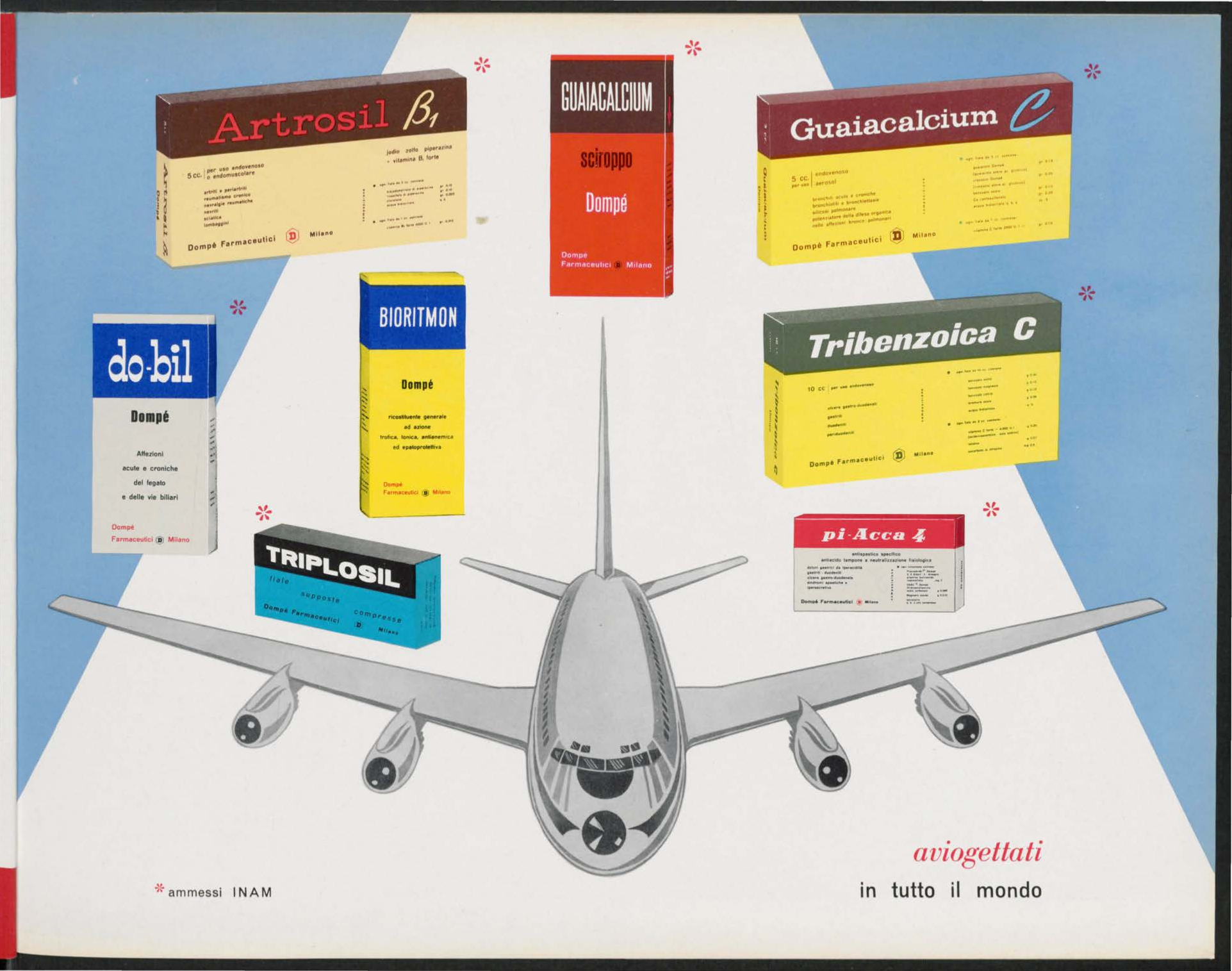
Right from the beginning, Franco decided to focus on the anti-inflammatory, osteoarticular and respiratory therapeutic areas, initially developing drugs based on Dompé-Adami preparations and almost always opting for vial formulations. This was the case with Creosotina, a drug for the airways, or “chest diseases”, for which he refined the formulation by launching the cough suppressant Guaiacalcium, which soon became a leading product.  

This was followed by other drugs that were to become widely used in Italy, such as Artrosil, for bone and muscle pain, and Tribenzoica, designed to protect and regulate the functions of the stomach and duodenum.

1942 - 1944

The Dompé laboratories in wartime

In 1942, the Dompé-Adami laboratory was sold and relocated. Onorato opened his own independent laboratory, remaining in the premises at number 12 Via San Martino.  

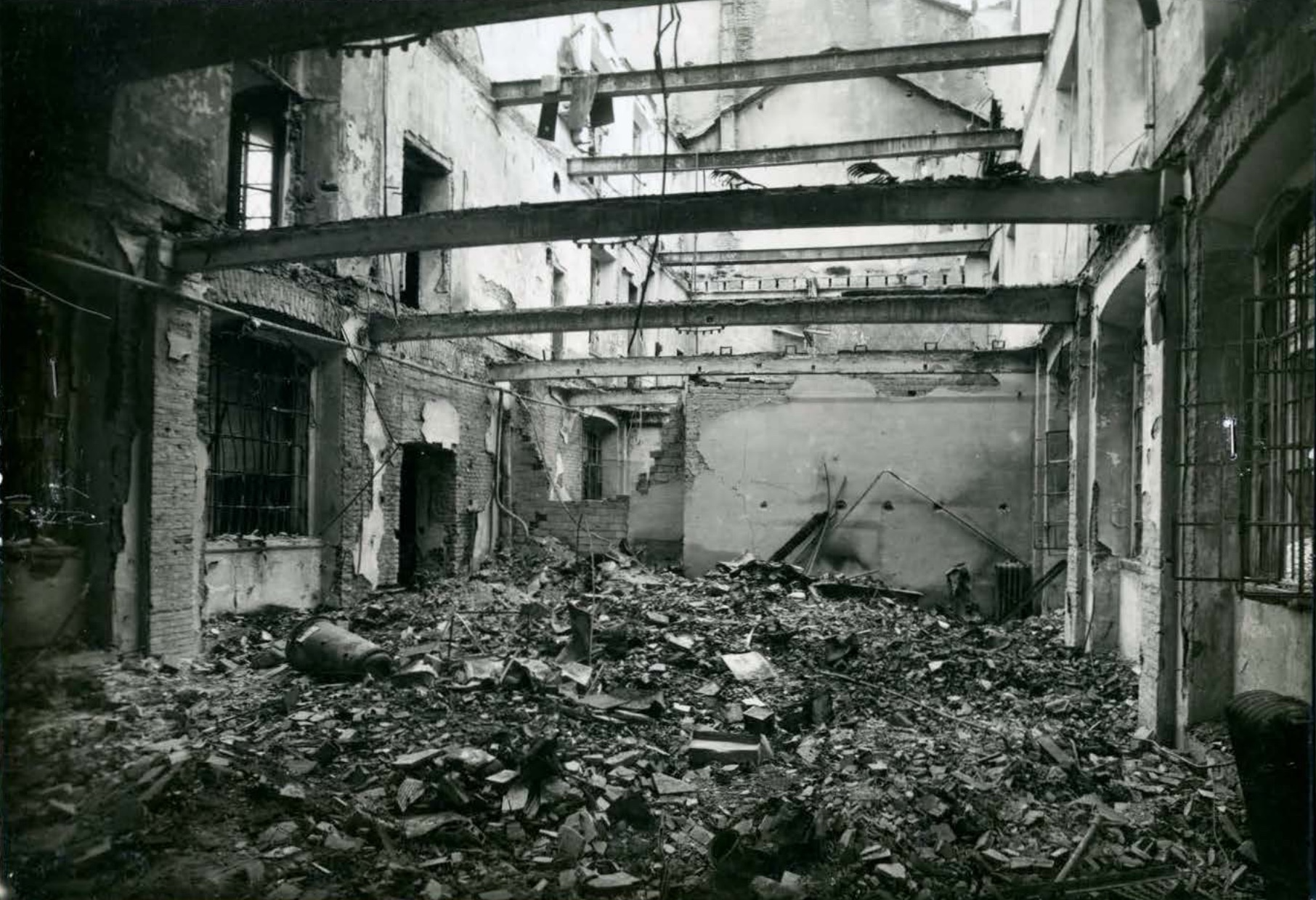
Onorato and Franco's business activities faced enormous difficulties during the World War II. The bombs that fell on Milan between 1943 and 1944 hit the large laboratory in Via San Martino twice. The worst bombing took place on the night of 15 August 1943, when British RAF Lancasters struck the building's inner courtyard. The German occupying forces also seized large quantities of materials from the warehouses and damaged parts of the residential complex and workshops between May and June 1944.

1947

Rebuilding identity through culture: the launch of Bellezza d’Italia

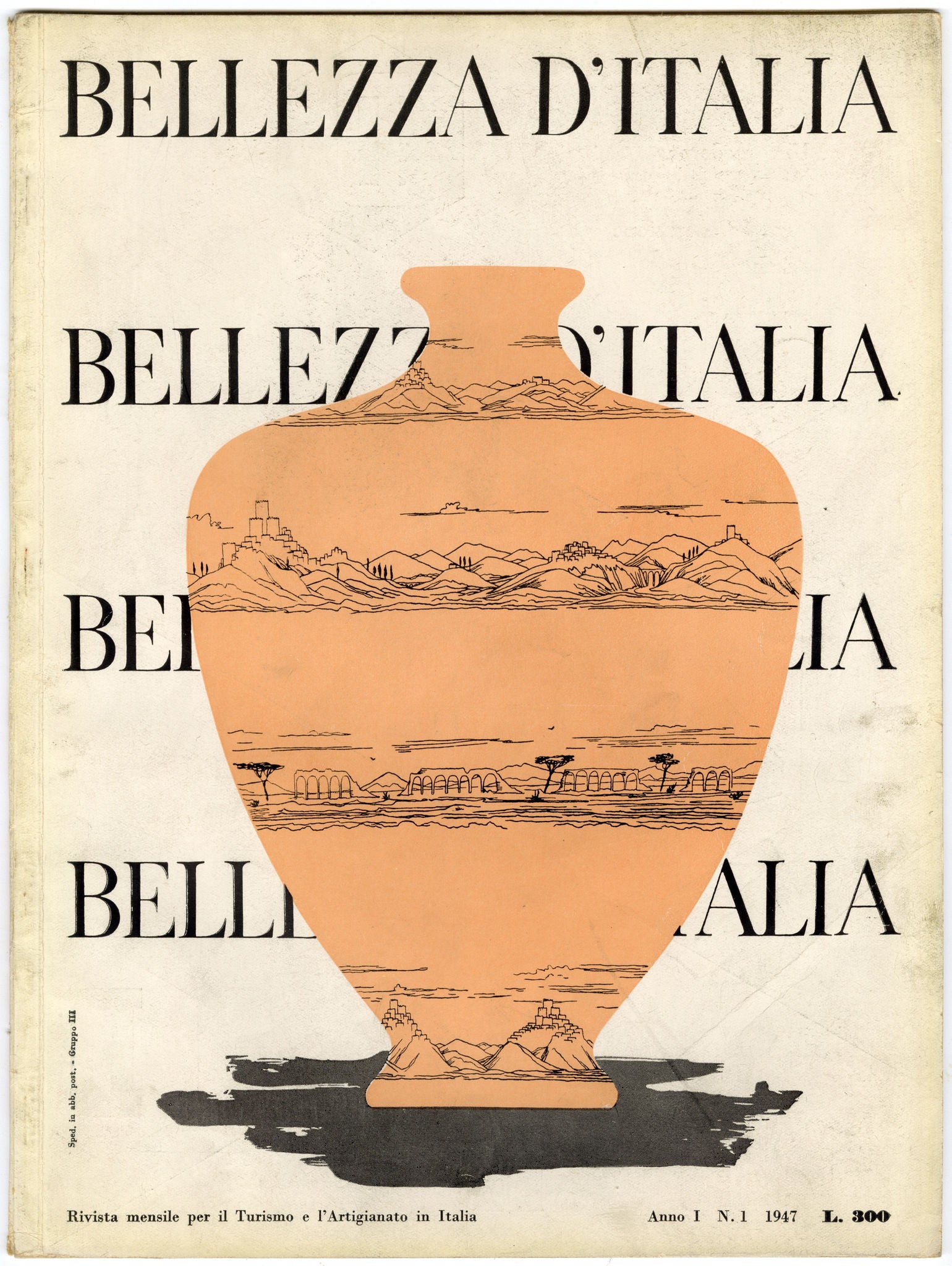
At the end of the World War II, after beginning the reconstruction of the building in Via San Martino, where he moved the headquarters of Dompé farmaceutici, Franco launched the magazine Bellezza d’Italia, entrusting its artistic direction to the designer Franco Grignani.  

This communication initiative helped strengthen the company's image. Targeting the medical profession, the magazine featured articles on travel, art, fashion, and sport, alternating with high-impact advertising pages dedicated to Dompé products.

1951

Entering industrial-scale production

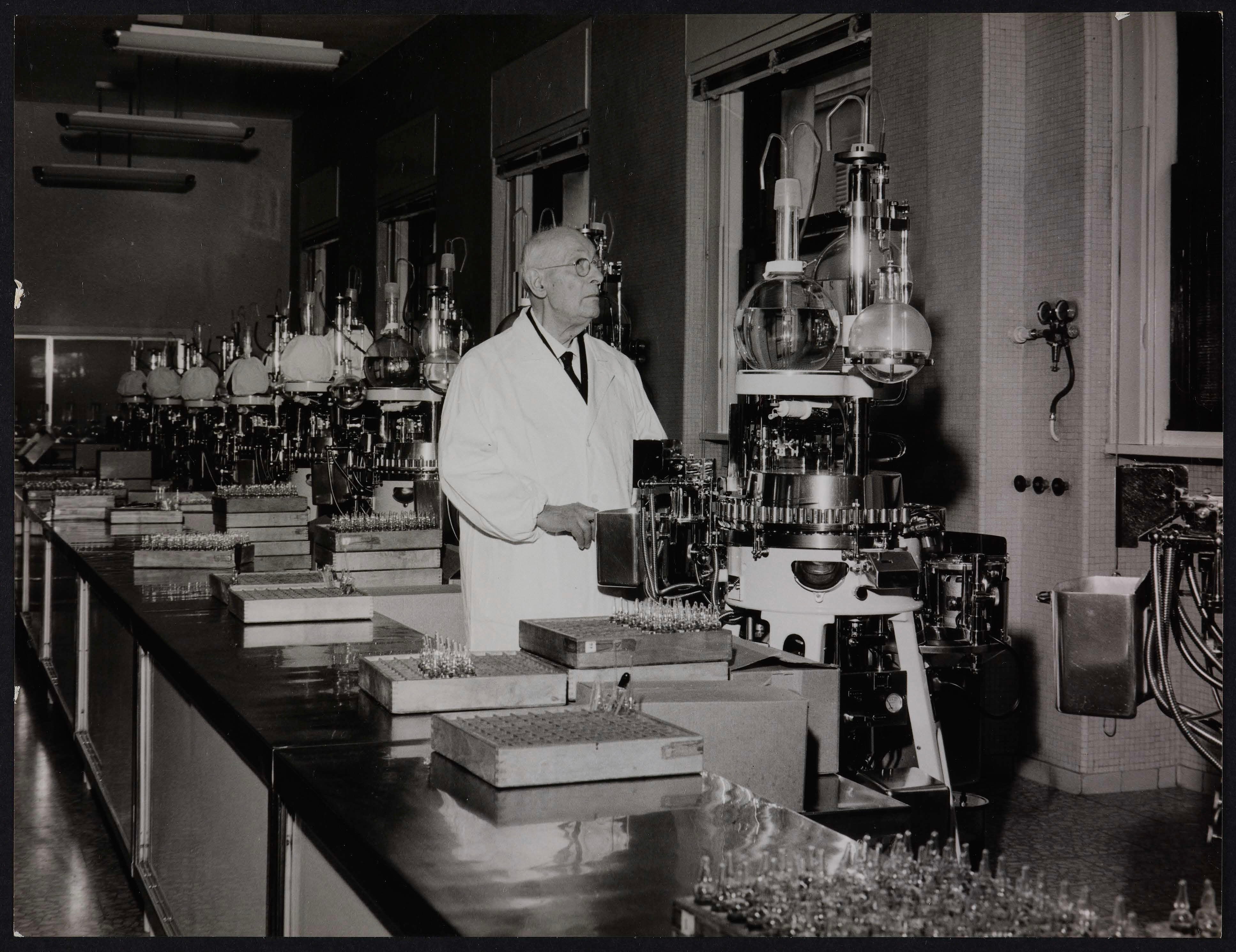
After five years of construction, the new headquarters of Dompé farmaceutici, at number 12 Via San Martino, was inaugurated on 4 January: a white, rationalist-style building covering an area of 15,000 square metres. Among those attending the ceremony was the Cardinal Archbishop of Milan, Ildefonso Schuster. 

Thanks to substantial investments in state-of-the-art machinery, the company began producing medicines in vials on an industrial scale. Franco focused on research and innovation, launching new products such as the cardiovascular and respiratory analeptic Cardioritmon and the multivitamin tonic Bioritmon.

1956

Dompé supports the 1956 Winter Olympics in Cortina d’Ampezzo

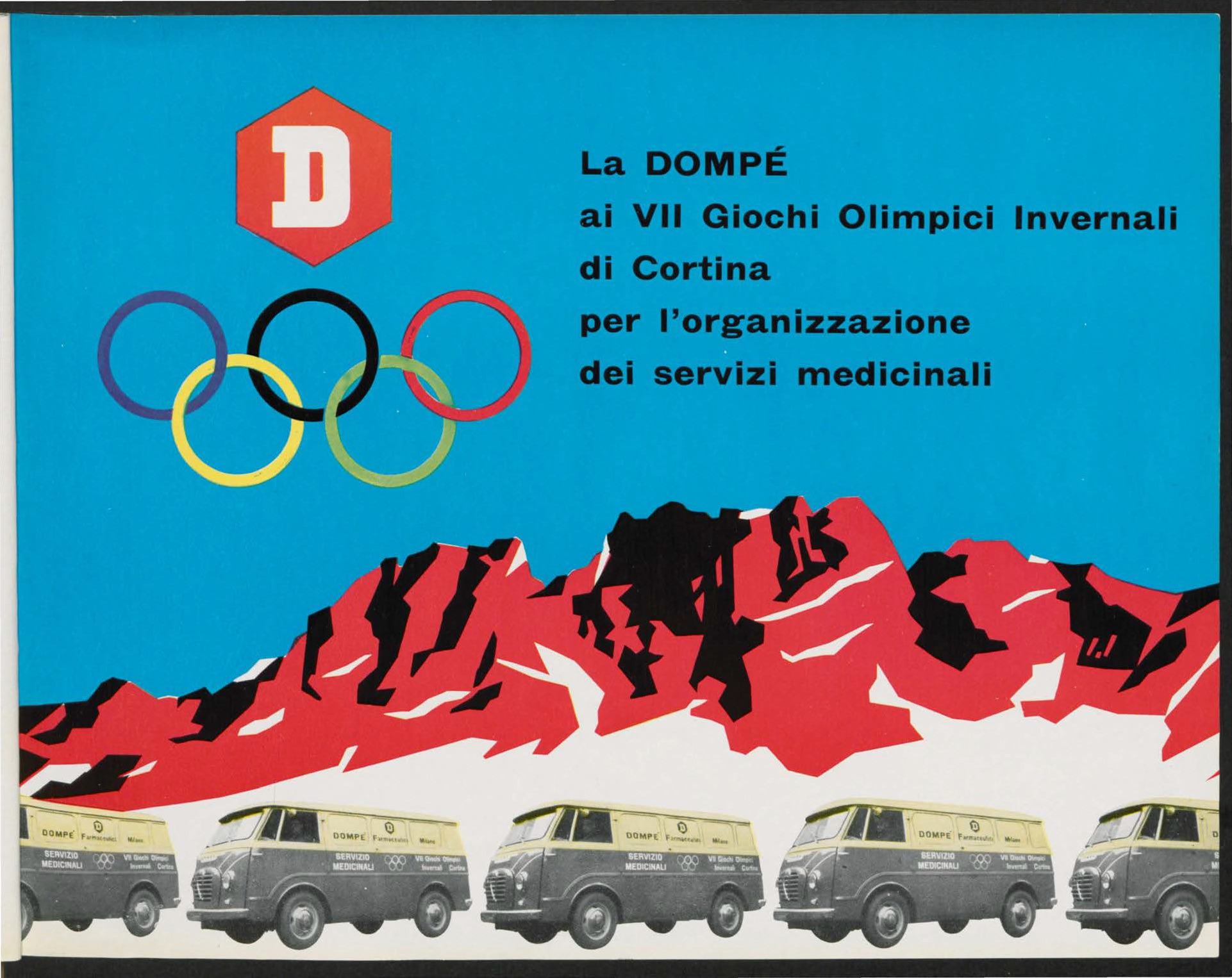
Commissioned by the Italian National Olympic Committee (CONI), the company organized the medical service for international delegations and athletes during the Cortina d'Ampezzo Olympic Winter Games. 

The fleet of vans bearing the Dompé logo and the five Olympic rings became a permanent fixture in support of the sporting community involved in the competitions. This chapter in the company's history is told in the documentary entitled Operazione S.O.S., produced by Dompé farmaceutici.

1960s

Dompé expands its range with pi-Acca 4

Dompé farmaceutici grew during the economic boom and began showing an interest in foreign markets. It was during this period that it launched its tenth product, pi-Acca 4, an antispasmodic for the treatment of stomach pain. 

The company also made its debut on the silver screen with the Oscar-winning film Yesterday, Today and Tomorrow, directed by Vittorio De Sica. In a scene from the film, actress Sophia Loren tries to give Guaiacalcium cough syrup to one of her children.

1970s - 1980s

Pioneering Biotech

Franco's son Sergio joined the company with a new strategy: to increase investment in research, focusing on innovation and forming partnerships with international players in the biopharmaceutical sector. 

Aware of the crucial role played by biotechnology in the pharmaceutical industry, as well as Italy's shortcomings in this sector, in 1988 he founded Dompé Biotec, with the aim of making innovative biotechnology products available.