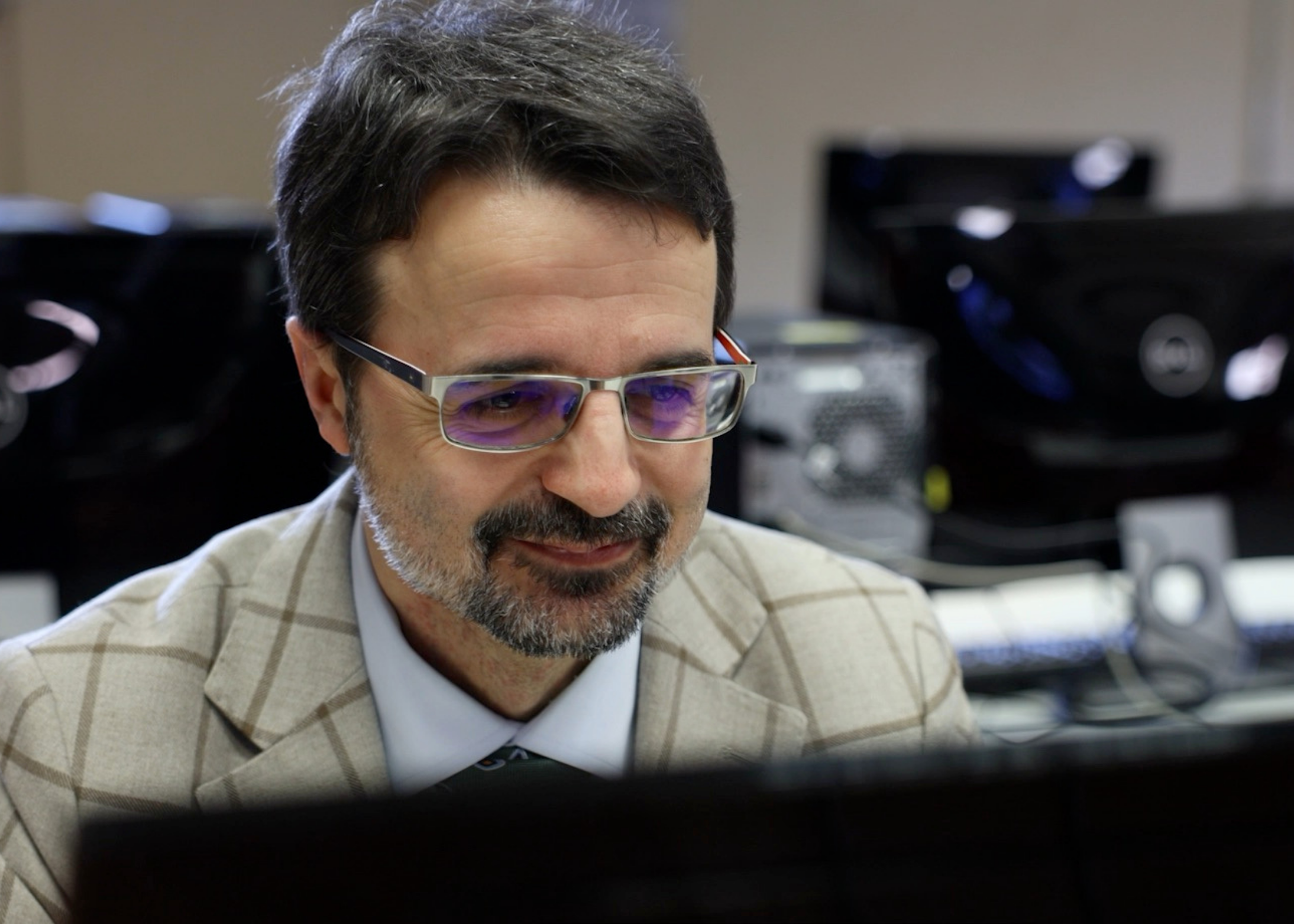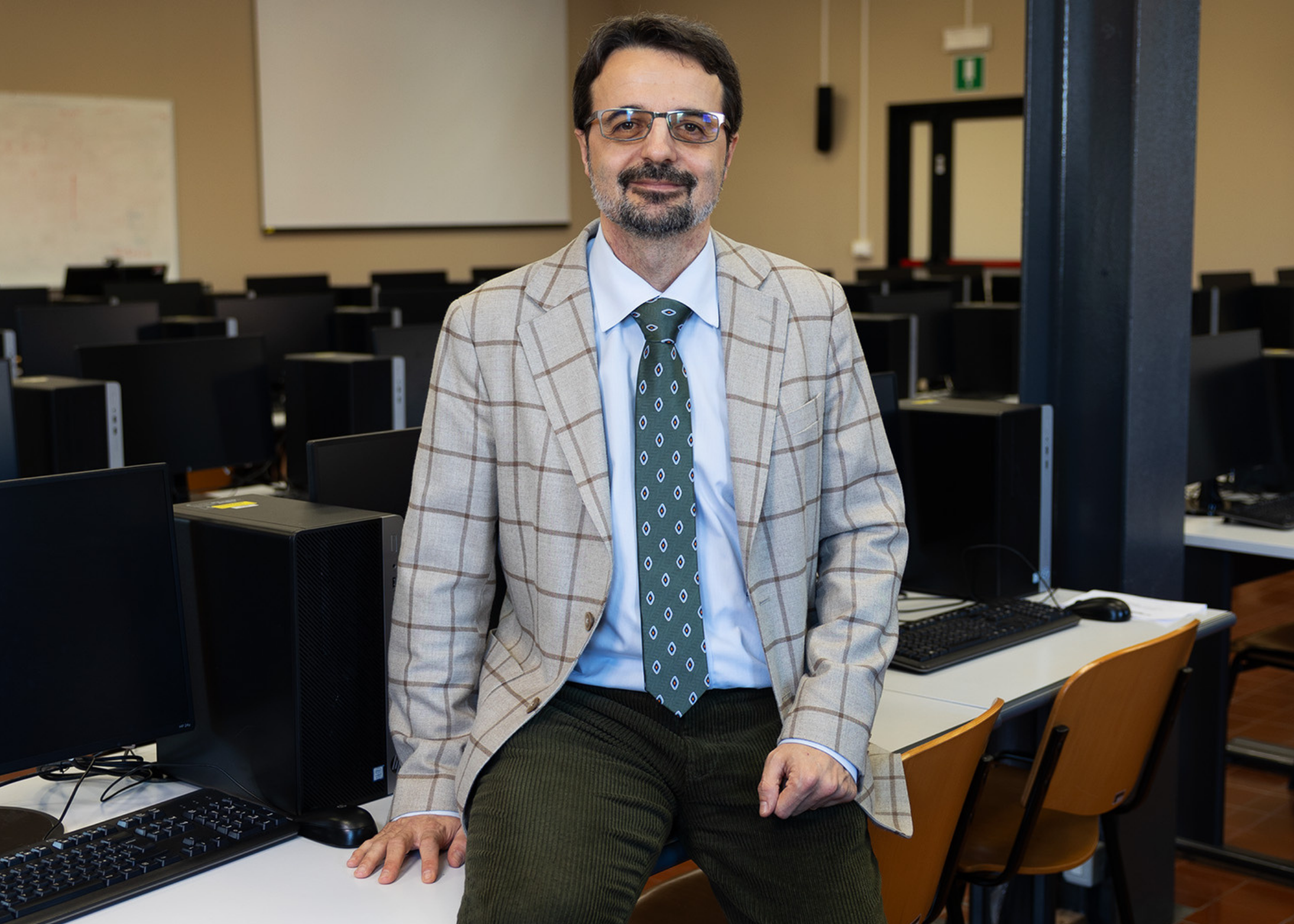

The future of biotechnology starts in the lab—and in the classroom. In this interview, Professor Andrea Bedini, Coordinator of the Master's Program in Pharmaceutical Biotechnology - now restructured in Pharmaceutical and Industrial Biotechnology - at the University of Bologna, discusses the program's educational approach, the career opportunities it offers, and the value of hands-on laboratory training and close interaction between students and faculty.
How would you describe the Master's Program in Pharmaceutical Biotechnology in a nutshell?
Pharmaceutical Biotechnology is a two-year international Master’s program aimed at training the next generation of researchers who will shape the future of health innovation. We provide students with in-depth knowledge, combined with technological and experimental expertise, that allows them to design, carry out and manage research activities in pharmaceutical biotechnology, with the ultimate goal of developing innovative drugs, vaccines, and diagnostic devices.
What career opportunities does the program offer?
Our Master’s program paves the way for a wide array of career opportunities. For sure, R&D is one of the main targets for our graduates, and they can also be employed in the industrial production of innovative vaccines, drugs or diagnostic devices, as well as in regulatory affairs, writing projects, and project management. These are also newer career opportunities that our graduates can pursue.
What sets this program apart?
I believe that a key competitive advantage of our Master’s program in Pharmaceutical Biotechnology, compared with similar programs, is the possibility for students to receive practical and experimental training through single-bench-position laboratories. Besides that, interaction is another key pillar of our training approach: interaction among students and between students and professors.